
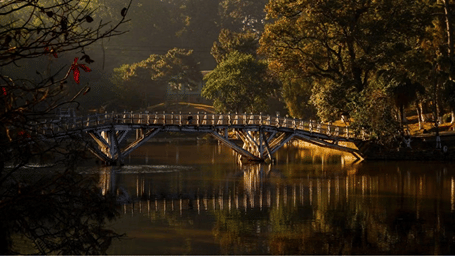
Planning a Meghalaya trip? Discover its rich flora and fauna, from sacred groves to rare hornbills, and stay close to nature at Polo Resort, Cherrapunjee. Visit Now!

Step into the ancient forests of Meghalaya and discover the Khasi traditions that have helped preserve the sacred groves of Mawphlang for generations. Explore the region’s natural and cultural heritage on your next Meghalaya holiday. Plan Your Stay!

Wondering where to stay in Kolkata? See why a riverside hotel offers calmer views, a unique experience, and a better stay than a traditional city hotel. Visit Now
)
Find the best hotel in Shillong for your monsoon vacation. Simple tips on location, rooms, and facilities to help you pick the right stay. Book your stay now!
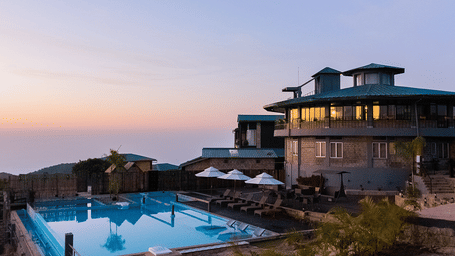
Confused between a resort or hotel in Cherrapunji? Here's how a resort stay is different, and why it's better for nature, comfort, and relaxation. Visit Now!
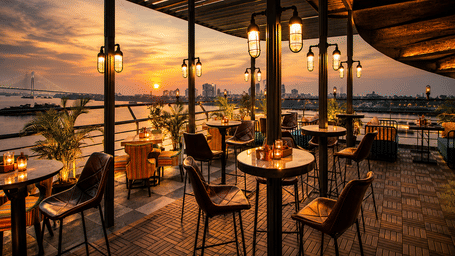
Enjoy handcrafted cocktails, delicious cuisine, live music, and panoramic views of the river and city skyline at Sky Deck – Constellation for an unforgettable rooftop dining experience.
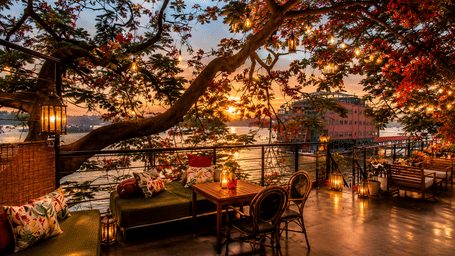
Celebrate the New Year in Kolkata on a floating hotel! Enjoy river views, great food, live music, and unforgettable memories at Polo Floatel. Book your spot now.

Celebrate the New Year in Kolkata on a floating hotel! Enjoy river views, great food, live music, and unforgettable memories at Polo Floatel. Book your spot now.
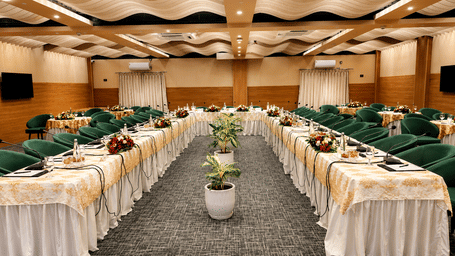
Planning your Shillong wedding? Find the best venues, luxury hotels, and expert tips for your 2025 celebration. Complete guide with everything you need.
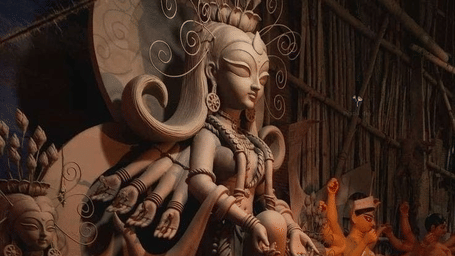
Imagine celebrating the festival from a luxury cabin, being just steps away from festive pandals and urban vibrance, while the gentle river breeze adds a layer of calm and romance to your stay. This isn’t just a hotel—it’s your festival afloat.
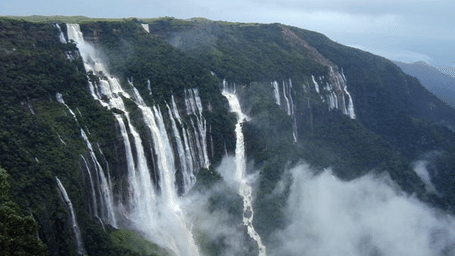
Wake up to clouds, luxury, and waterfalls at Polo Resort—the top-rated resort in Cherrapunji. Book your escape to Meghalaya's finest stay now!

Stay at Polo Floatel, Calcutta—South Asia’s finest floating hotel in Kolkata and iconic luxury hotel on Ganges. Book your riverfront escape now!

Five-Star Living at Polo Hotel, Agartala - Agartala’s Premier Hotel Destination

Discover Tring Tring in Shillong – a quirky cafe with fun decor, delicious food, and vibrant vibes!
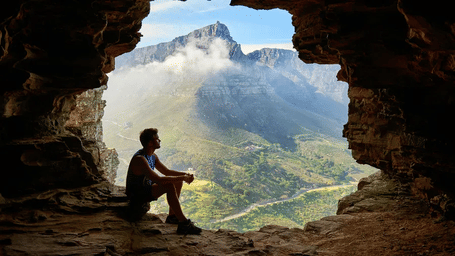
Discover the captivating beauty of Arwah Cave in Cherrapunjee, Meghalaya, known for its stunning geological formations and rich biodiversity. This blog explores the cave's unique features, accessibility, and the perfect nearby accommodation for an unforgettable adventure.
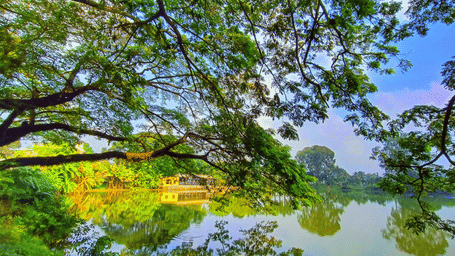
Here’s a guide on the different ways to reach Agartala from Delhi, whether you prefer flying, taking a train, or embarking on a scenic road trip.

Let us explore how the Poush Sankranti festival brings people together in Tripura to celebrate cultural heritage and the bounty of the harvest.
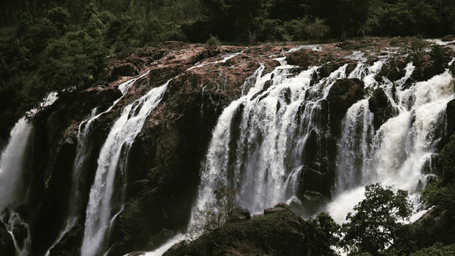
Bishop Falls is a must-see in Shillong. It captures the raw beauty of Meghalaya and offers visitors a serene retreat into nature's tranquillity.

The Cathedral of Mary Help of Christians remains a treasured landmark in Shillong, inviting all who visit to experience the peace, history, and devotion that make this place truly special.

Whether you’re interested in colonial architecture, spiritual sanctuaries, or cultural hubs, Kolkata offers many experiences that can be packed into 1 day.
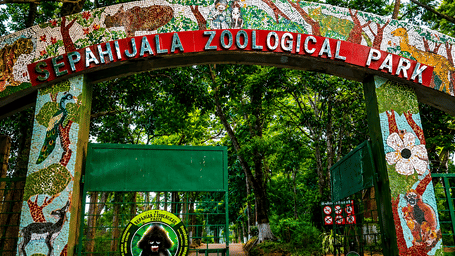
Spanning 18.53 sq. km., Sepahijala Wildlife Sanctuary & Zoo is a habitat for numerous wildlife and serves as a research and conservation centre.
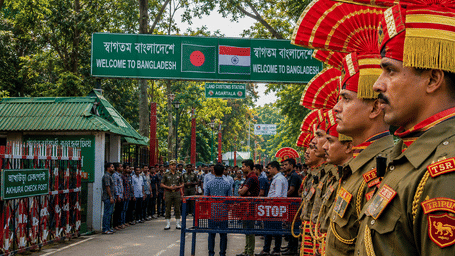
In this blog, we will explore the different modes of transportation available from Bangladesh to Agartala and what you can expect from each.
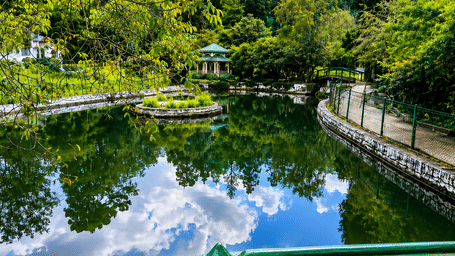
Whether you’re a nature enthusiast, a family with children, or simply seeking a peaceful spot to unwind, Lady Hydari Park is a must-visit in Shillong.
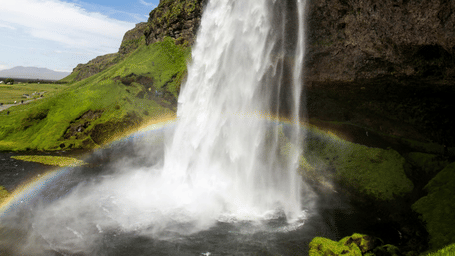
Known for its breathtaking views and the unique rainbow that forms around its cascading waters, this stunning waterfall is an absolute must-visit for nature lovers and adventure enthusiasts.

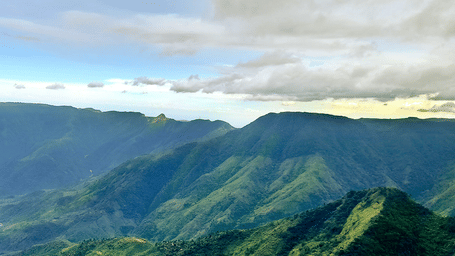
Explore some of the offbeat places in Tripura with our guide to hidden gems like Jampui Hills and Chabimura. Make your stay unforgettable at Hotel Polo Towers in Agartala, offering luxury and comfort for the perfect Tripura getaway.
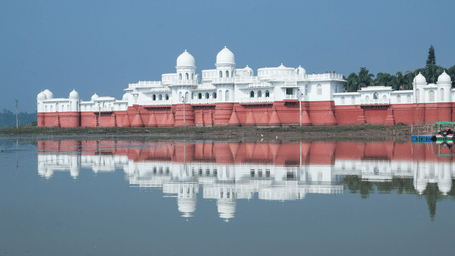
Find out the best time to visit Tripura, with a breakdown of what each season brings. Whether you’re planning a winter getaway, a summer escape or a monsoon adventure, Hotel Polo Towers in Agartala is your top choice for a stay.
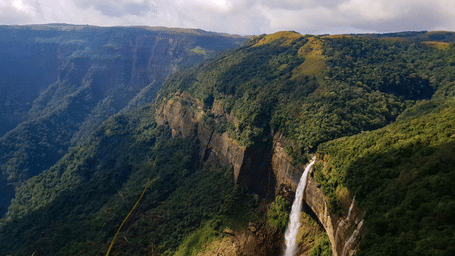
Experience the charm of Sweet Falls Shillong, a serene spot for nature enthusiasts. Learn about the waterfall’s picturesque setting and the best time to visit the place.
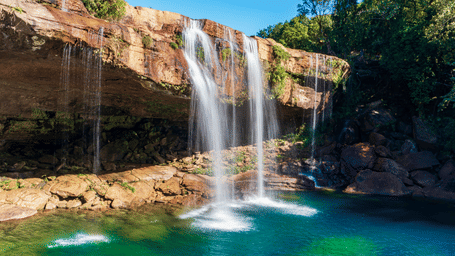
Check out Nehu Waterfall in Shillong and see why it's such a great spot. Find out how to get there, what to do around it and why Hotel Polo Towers is a top choice for your stay.

Here’s a guide to six offbeat weekend getaways from Kolkata that are perfect for travellers seeking a different side of the city.
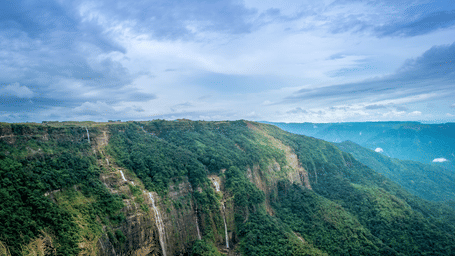
From adrenaline-pumping water sports to challenging treks, Shillong has something to offer everyone. Here are some of the adventure sports in Shillong that you can partake in during your visit to this beautiful hill station.
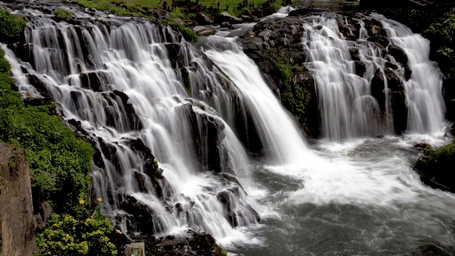
While the Spread Eagle Falls is a breathtaking natural wonder, it's also shrouded in a poignant local legend. Here is what you can expect when visiting this mesmerising waterfall.
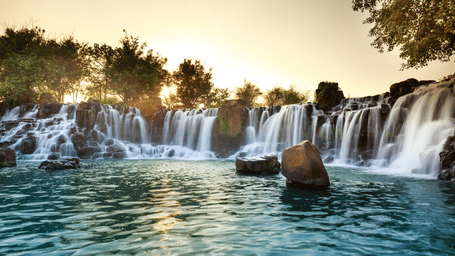
Discover the enchanting Lyngksiar Waterfall and immerse yourself in nature's beauty as you witness these cascading waters near Cherrapunjee. Plan your perfect getaway to this breathtaking waterfall.
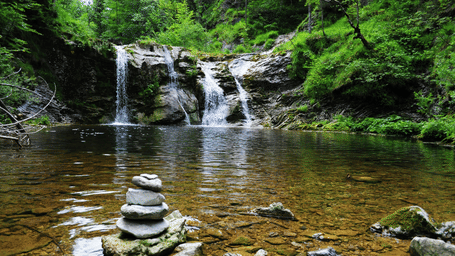
Immerse yourself in the crystal-clear waters of the Blue Lagoon waterfalls in Meghalaya and explore a hidden abode. The Blue Lagoon is the perfect place for a refreshing swim amidst the verdant lush mountains of Meghalaya.
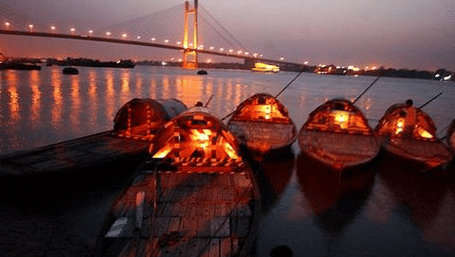
The City of Joy, Kolkata offers a unique blend of history, culture, and vibrant energy, making it an ideal destination for a weekend getaway.
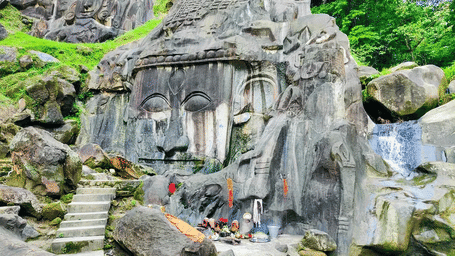
The northeastern state of Tripura is known for its cultural heritage. It is well renowned across the globe for its artistic prowess.

The northeastern state of Tripura is known for its cultural heritage. It is well renowned across the globe for its artistic prowess.
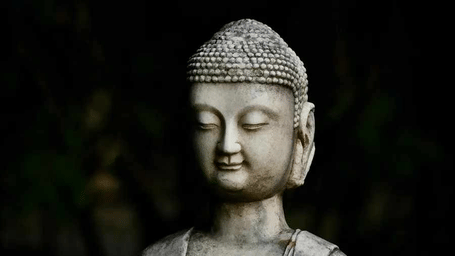
Agartala, capital of Tripura is blessed with lots of places to explore. Nestled in the northeastern part of India, this charming city offers a unique blend of traditional and modern attractions. This makes it a perfect destination for travellers seeking to explore offbeat paths.
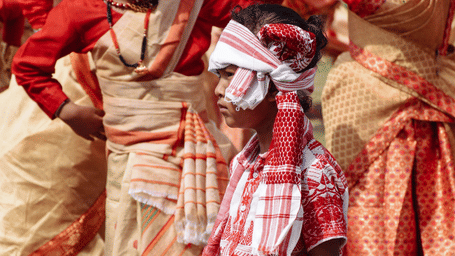
Plan your visit to Agartala during Kharchi Puja and witness this magnificent festival that beautifully blends spirituality and culture.
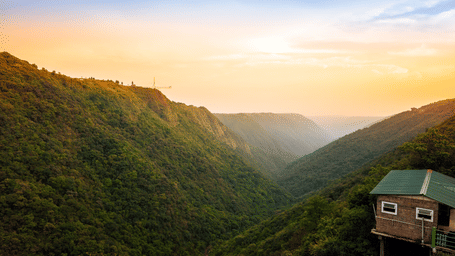
Discover Shillong's top attractions like Elephant Falls, Umiam Lake, and Shillong Peak while enjoying a luxurious stay at Hotel Polo Towers.
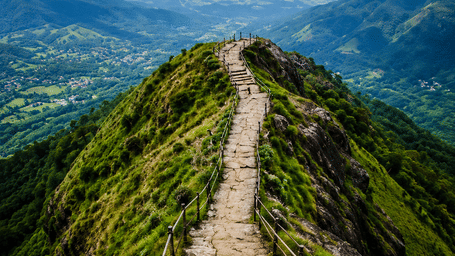
Discover the best tourist attractions in North-Eastern India’s capital city – Shillong starting from the calm and beautiful Umiam Lake to the busy Police Bazaar.
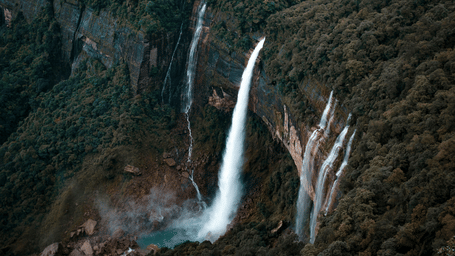
Discover Cherrapunjee's top attractions: Living Root Bridges, and Nohkalikai Falls while you stay luxuriously at Polo Resort for a cosy retreat.
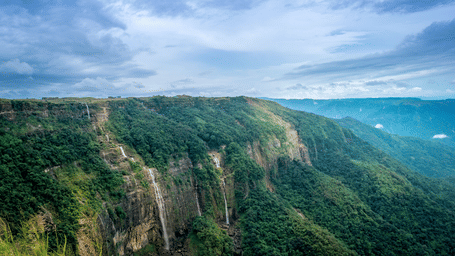
Cherrapunjee is dubbed as the wettest place on earth, simultaneously blessed with splendid views. Soak in nature and the greenery around you and escape into tranquillity.
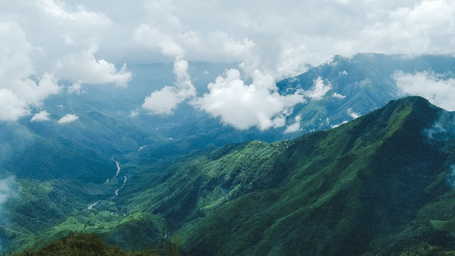
Experience adventure, indulge in diverse cuisines, and make your stay unforgettable at Cherrapunjee. Experience the breathtaking Cherrapunjee rainfall at Polo Resort, offering unparalleled comfort amidst nature's spectacle.
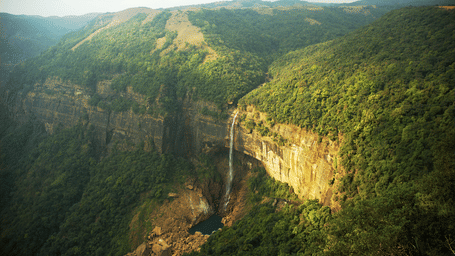
Experience the enchanting allure of Cherrapunjee at Polo Resort, where luxury meets nature in one of the world's wettest places. Nestled amidst verdant landscapes, the resort offers breathtaking views and unparalleled comfort. Dive into the history of Cherrapunjee, a land of cascading waterfalls and living root bridges, where the Khasi tribe's rich heritage and traditions come alive. Explore the mystic charm and natural wonders that make Cherrapunjee an unforgettable destination.
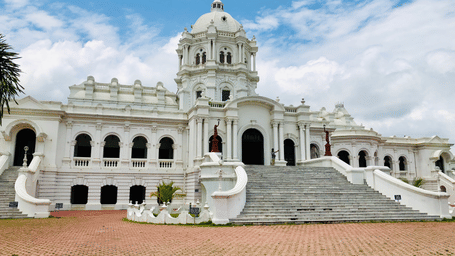
Ujjayanta Palace, a historic palace in Agartala, Tripura, served as the royal residence of Tripura kings until 1947. Transformed into the Tripura Legislative Assembly, it boasts a museum highlighting the region's cultural heritage. Polo Hotel, Agartala, is the ideal choice for visitors exploring Ujjayanta Palace and other attractions in Agartala.
Experience adventure, indulge in diverse cuisines, and make your stay unforgettable at Polo Hotel, Agartala. The best time to visit the Seven Sisters of India is during the monsoon, when the weather is perfect for adventure activities, cultural festivals, and exploring lush landscapes. The season enhances the region's natural beauty, offering an ideal blend of pleasant weather, vibrant culture, and breathtaking scenery. For a comfortable stay, the Hotel Polo Towers in Agartala is the best place to stay, providing luxurious accommodations, excellent service, and easy access to the region's major attractions.
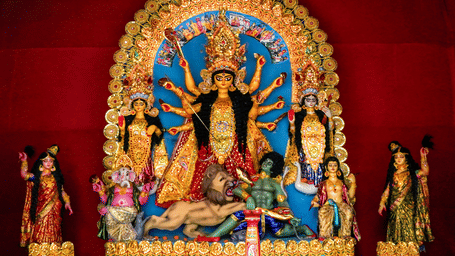
The City of joy vibrates throughout the year with numerous festivals. Let's check out the vibrant celebrations that light up every corner of Kolkata!
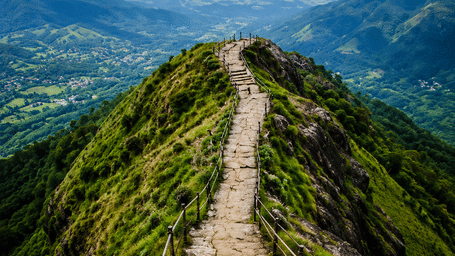
Dive into the cultural tapestry and natural wonders of unexplored places in Shillong with our guide to the top tourist destinations. Exploring these lesser-known destinations will give you a deeper appreciation of Shillong’s charm and the diverse attractions it has to offer. Experience adventure, indulge in diverse cuisines, and make your stay unforgettable at Polo Towers, Shillong.
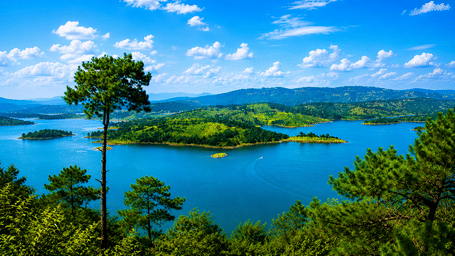
Nestled in the picturesque hills of Meghalaya, Shillong is a mesmerising destination known for its captivating natural beauty, vibrant culture, and rich heritage. Experience adventure, indulge in diverse cuisines, and make your stay unforgettable at Polo Towers, Shillong.
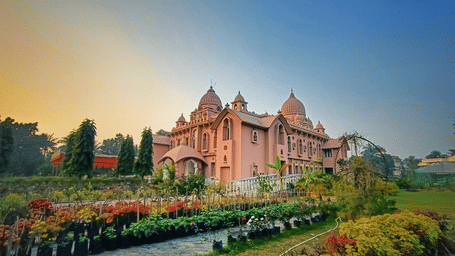
Dive into the cultural tapestry and natural wonders of North East India with our guide to the top tourist destinations. From the iconic Kaziranga National Park to the serene Tawang Monastery, discover what makes these places must-visits. Experience adventure, indulge in diverse cuisines, and make your stay unforgettable at Polo Hotel, Agartala.
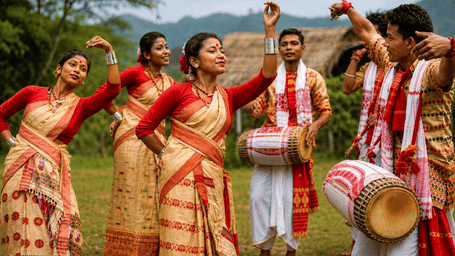
Dive into the vibrant cultural heritage of Northeast India with our guide to the diverse folk dances that grace its lands.
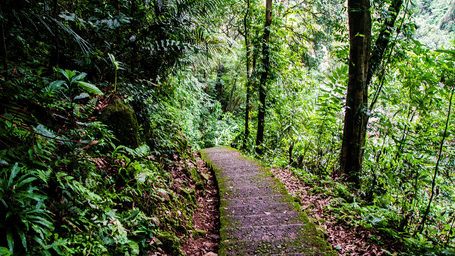
Dive into the exhilarating world of trekking in Cherrapunjee, where every trail is a journey through nature's wonders. Discover the beauty of unique landscapes and thrilling adventures, and find your perfect basecamp at Polo Resort.
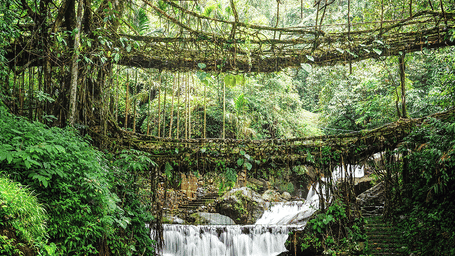
Dive into the beauty of Cherrapunjee with our detailed guide to its top tourist spots. Discover why Cherrapunjee is a must-visit destination and how Polo Resort ensures an unforgettable stay.
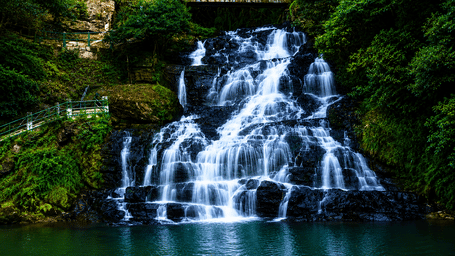
Dive into the vibrant world of Shillong in summer, where every corner is a canvas painted with hues of warmth and adventure. Explore the best places to visit, indulge in thrilling activities, savour local cuisine, and make your stay unforgettable at Polo Towers, Shillong.
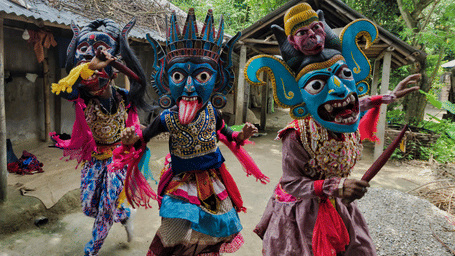
Explore the spiritual side of Shillong with our guide to famous temples in Shillong. Discover history, architecture, festivals, and find the perfect place to stay - Hotel Polo Towers (premium hotel in Shillong).
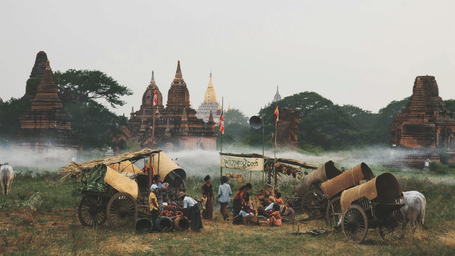
Discover the spiritual allure of Jagganath Bari in Agartala, and uncover the rich history, traditions, and mystical experiences through this blog.
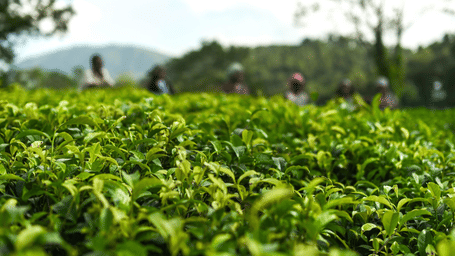
Beyond the popular attractions of Shillong and Cherrapunjee, Meghalaya hides a wealth of lesser-known destinations waiting to be explored. From serene valleys and pristine lakes to breathtaking viewpoints and cultural landmarks, these offbeat places offer a deeper glimpse into the state's natural beauty, rich heritage, and untouched charm.
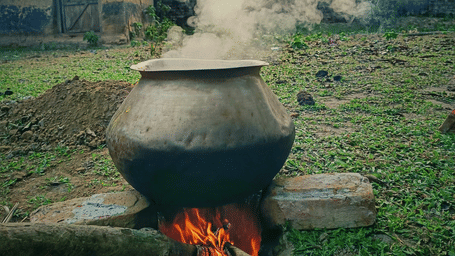
Shillong's culinary landscape is as charming as its misty hills, offering a delightful selection of traditional Khasi treats and beloved local desserts. From age-old recipes to unique sweet delicacies, these flavours provide a delicious glimpse into the city's rich cultural heritage.
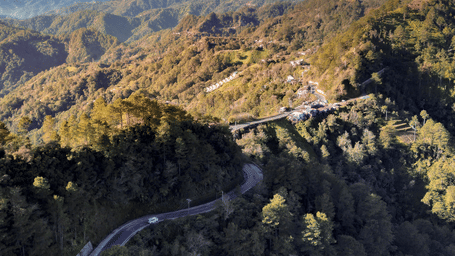
Shillong View Point offers sweeping panoramic views of Shillong’s rolling hills, verdant valleys, and charming cityscape. A visit here captures the true essence of Meghalaya’s natural beauty. Plan your trip today and witness one of Shillong’s most breathtaking viewpoints firsthand.
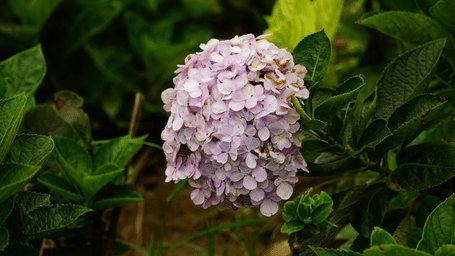
Check out the parks in Agartala, which provide a welcome respite from the city's energy by offering residents and visitors alike a chance to relax, reconnect with nature, and enjoy some fresh air.
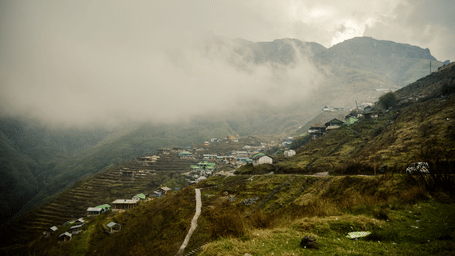
In this blog, we offer a glimpse into seven such captivating villages, each offering a unique experience and a chance to witness the true essence of rural India.
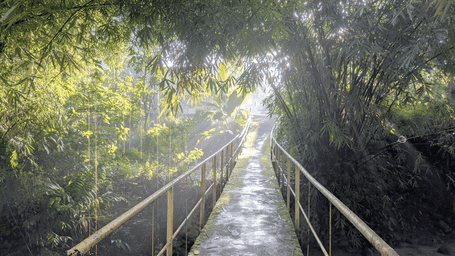
For the intrepid traveller seeking an adrenaline rush amidst breathtaking scenery, the bamboo trek in Meghalaya offers an unforgettable experience, also known as the Mawryngkneng Trek. In this blog, we will uncover this trek, the distance, the difficulty and things to remember.
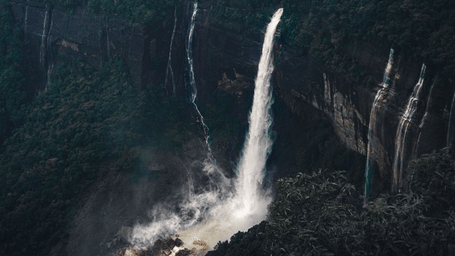
The cascading waters plunge over multiple tiers, making Kynrem Falls a breathtaking spectacle that leaves visitors awestruck. In this blog, let us uncover how to reach the falls, the best time to visit and the best viewpoint to see this majestic waterfall.

Discover the ultimate culinary delights of Shillong with our guide to the best places to eat. From cosy cafes serving aromatic local brews to hidden gems dishing out authentic delicacies, embark on a gastronomic journey through the vibrant flavours of this charming hill station in Northeast India.

Explore Shillong's charm through its best cafes, where aromatic brews meet a cosy ambience. Indulge in delightful treats amidst the picturesque landscapes of this vibrant hill station.
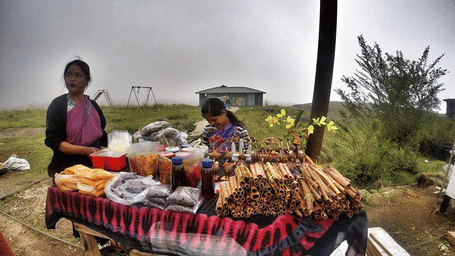
Dive into the lesser-known wonders of Meghalaya with our guide to unexplored places in the region. From the majestic Tura Peak to the captivating Pelga Waterfalls, embark on an adventure-filled journey. Enhance your stay at Polo Hotels, Tura, and immerse yourself in the allure of Meghalaya's untouched beauty.
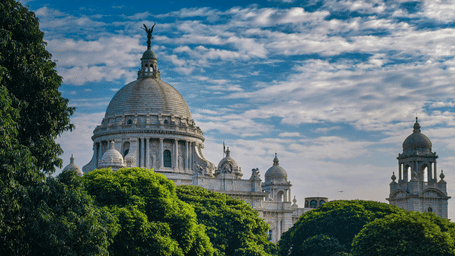
Dive into the rich tapestry of Historical places in Kolkata. Walk through eras, witness architectural marvels, and wrap up your historical exploration with a stay at Polo Floatel, Calcutta, seamlessly blending the past with modern comforts.
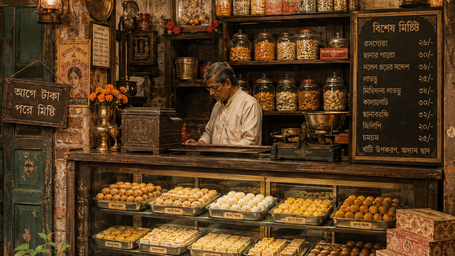
Dive into the heart of Kolkata's sweet culture, discovering the best Rasgulla and Sandesh joints while unwinding in the comfort of Polo Floatel, Calcutta – your perfect stay in the City of Joy.
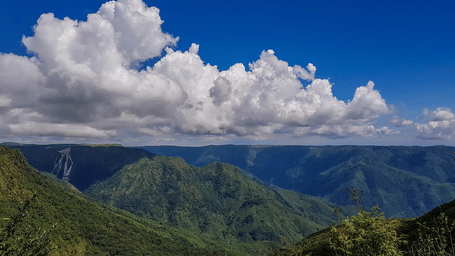
Discover the magic of Shillong in April, where nature awakens from its winter slumber. Dive into the best places to visit, activities to embrace, and why Hotel Polo Towers is your ideal haven for a perfect spring stay.

Discover the places to visit in Shillong for couples, the ideal weather, activities, and why Hotel Polo Towers is the perfect haven for your romantic getaway.
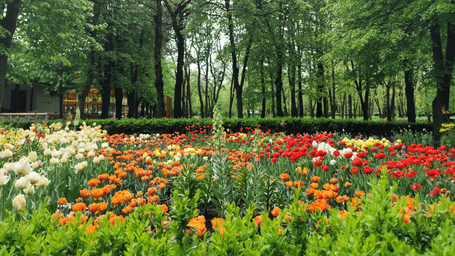
Dive into the heart of Meghalaya's natural beauty with a journey through Cherrapunjee Eco Park. Discover the best ways to reach, immerse yourself in the park's wonders, and complete your experience with a stay at Polo Resort, Cherrapunjee.
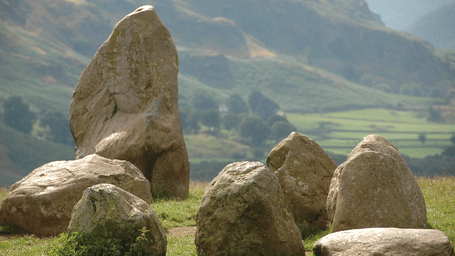
Explore the ancient allure of Khasi Monoliths in Meghalaya. Dive into their rich history, experience breathtaking views, and plan your perfect stay at Polo Resort, Cherrapunjee. Discover the essence of these monumental wonders.
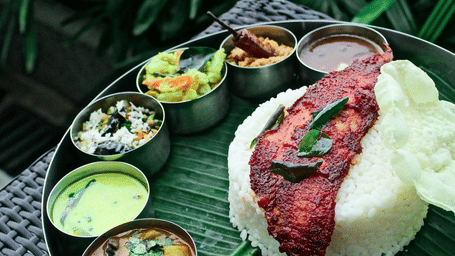
Dive into Tripura's culinary legacy as we unveil Agartala's famed traditional dishes. Indulge in Mui Borok, Bamboo Shoot- Muya Awandru, and other local delicacies. Elevate your stay at Polo Hotel, Agartala, where comfort meets authentic Tripura dining experiences.
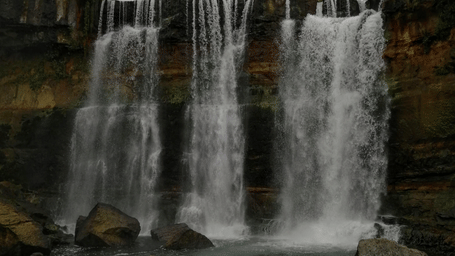
Discover with us the story of the Dainthlen Falls in Cherrapunjee that will make you look at it totally differently.

Kolkata comes alive with vibrant New Year celebrations, blending global festivities with cultural traditions like Chinese New Year and Poila Baisakh, creating a lively, diverse festive spirit.
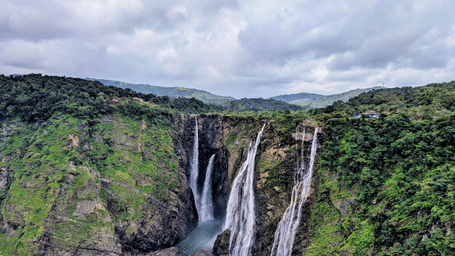
Discover the breathtaking Seven Sisters Falls in Cherrapunji, where seven cascading streams plunge 315 meters down the verdant cliffs of Meghalaya. Named after the seven sister states of Northeast India, this spectacular natural wonder is a must-visit for anyone seeking unforgettable views and scenic beauty. Plan your visit today!

Shillong offers a rich culinary experience with local Khasi delights like Jadoh, Tungrymbai, Doh Khlieh, and popular favourites like momos, blending tradition with bold flavours.
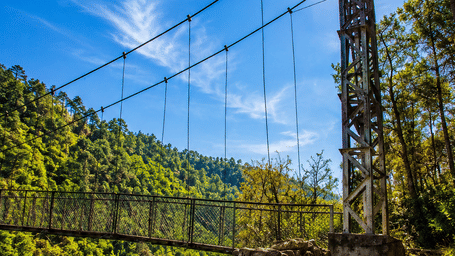
Experience thrilling hikes on Cherrapunjee's unexplored hills and steep mountains. Discover nature's best trails, pack your essentials, and book your adventure at Polo Resort today!

Discover the authentic flavours of Shillong through its vibrant local cuisine, where traditional Khasi recipes and regional delicacies offer a true taste of Meghalaya.
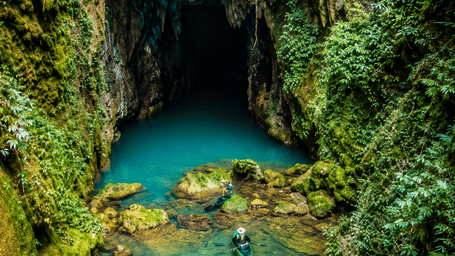
Uncover Cherrapunjee's hidden caves, ancient wonders, and lush landscapes. Plan your perfect spelunking adventure today and experience Cherrapunjee's magic in ultimate luxury!
Explore the remarkable Living Root Bridges of Cherrapunjee, where centuries-old Khasi ingenuity and nature come together to create one of Meghalaya's most extraordinary wonders.
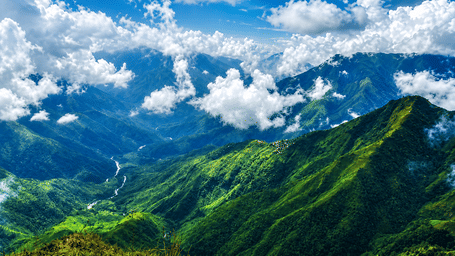
Discover the best time to visit Cherrapunjee with a season-wise guide to its weather, waterfalls, festivals, and unforgettable experiences throughout the year.

A romantic escape on the Hooghly, this blog explores how Polo Floatel Calcutta blends floating luxury, riverside dining, and unforgettable experiences against the backdrop of the iconic Howrah Bridge.
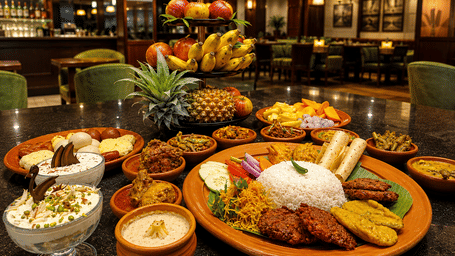
Discover the sweet legacy of Agartala's famous Queen Pineapples, exploring their unique flavour, cultural significance, and the fertile landscapes that make Tripura a paradise for pineapple lovers.

Indulge in a memorable cliffside dining experience at Sohra House, where delectable cuisine, stunning views of the Seven Sisters Falls, and the misty charm of Cherrapunjee come together for an unforgettable meal.

Treat your taste buds to our in-house signature cocktails along with yummy nibbles at our Grand Bar.
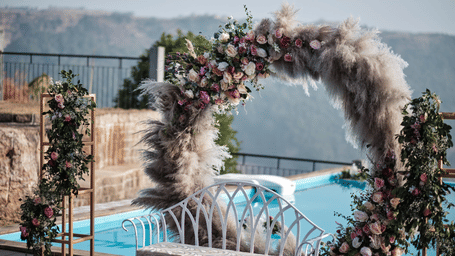
A day as happy as one’s wedding, calls for nothing but the best. Meghalaya is known to be one of the top wedding destinations in India, owing to its perfect temperature & beautiful scenery.

The new normal of dining-out post Covid: Open-air dining at Sky Grill
)
Discover the safest places in India for solo female travellers, from serene hill towns and coastal escapes to vibrant cultural hubs that offer confidence, comfort, and unforgettable experiences.
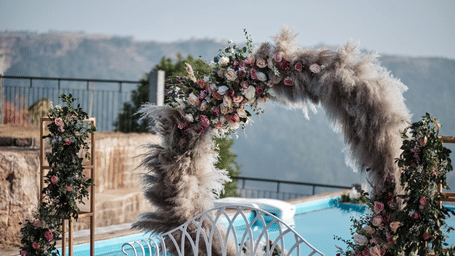
Discover India's most stunning destination wedding resorts, where breathtaking locations, luxurious venues, and unforgettable celebrations come together for your dream wedding.
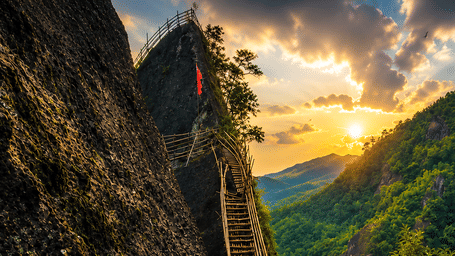
Explore the thrilling Mawryngkhang Trek in Wahkhen, where narrow bamboo skywalks, dramatic gorges, and Khasi folklore combine to create one of Meghalaya’s most unforgettable adventure experiences.
Discover the serene beauty of Shillong’s Lady Hydari Park, a lush green retreat known for its vibrant flower gardens, Japanese-style landscaping, and family-friendly attractions.

Kolkata, India's centre of culture and the arts, is well recognised for its colonial style buildings. Pre-wedding shoot in Kolkata works as one of the finest destinations since it offers a once-in-a-lifetime experience, from strolling through the various bazaars to relaxing by the Hooghly and taking in a tranquil sunset.
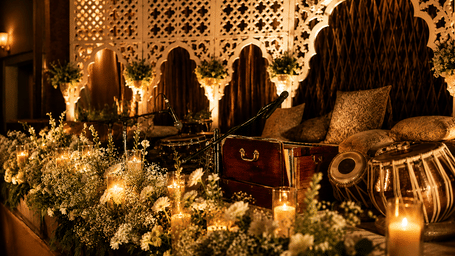
Several Indian classical musicians who have contributed significantly to the genre, including Bhimsen Joshi, Bade Ghulam Ali Khan, Ravi Shankar, and Bismillah Khan, have performed at the Dover Lane Music Festival. It has also served as a stage for budding musicians to display their talents.
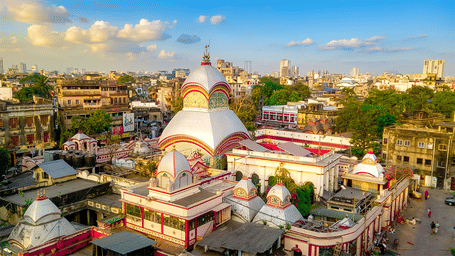
Perhaps India's most significant cultural hub is the city of Kolkata. Modern Indian literary and artistic ideas originated in the city, and its residents have worked hard to preserve Indian culture and civilisation.
_41b10a3a.png)
Tourists and visitors from all over India congregate in Shillong to celebrate the joyous spirit of the state of Meghalaya for the Shillong Autumn Festival, which happens throughout October and November on the shores of the picturesque Umiam Lake.
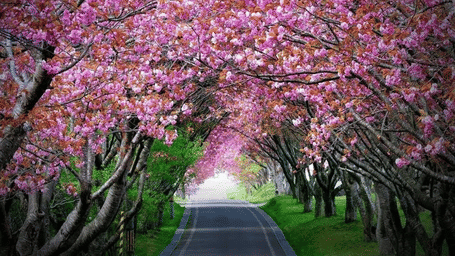
Shillong's winter season begins in November when the minimum temperature drops to as low as 3°C. You will instantly fall in love with Shillong owing to the enchanting beauty of the valleys, the lush green landscapes, and the gorgeous spots.

Planning a trip to Agartala? Discover which hotel facilities actually matter for a stress-free stay, whether you're here for business or with the family.
_dcb0ccff.png)
Looking for an outdoor banquet in Kolkata? Learn why open-air venues make every event special. Book your dream venue now with Polo Hotel Kolkata!
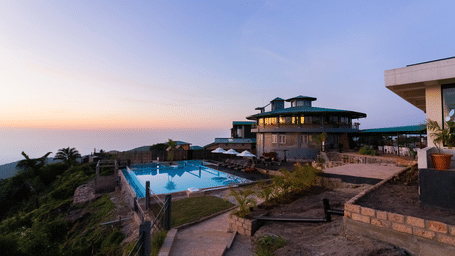
City summers are brutal now. AC running 24/7. Can't step out without melting. Kids stuck indoors. Everyone's irritable and tired. Even hill stations like Shimla and Nainital are packed with crowds and traffic jams.
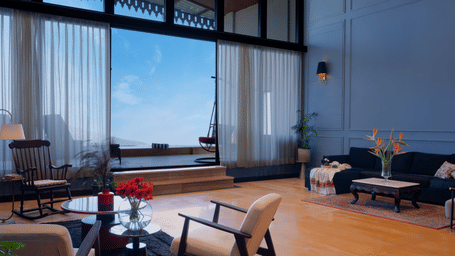
Shillong is perfect for families. Cool weather, beautiful views, peaceful atmosphere. Kids love the waterfalls, parents enjoy the cafes, grandparents appreciate the pleasant climate.

Shillong is perfect for families. Cool weather, beautiful views, peaceful atmosphere. Kids love the waterfalls, parents enjoy the cafes, grandparents appreciate the pleasant climate.

When you pick family hotels in Agartala that understand what families need, everything becomes easier. You have space to relax, the kids can move around, and you're not stressed about basic things like food or safety.

finding the best place for couples in Kolkata isn't just about picking any nice hotel. It's about finding somewhere you'll feel comfortable and respected. Somewhere you can actually relax and enjoy your time together without feeling judged or uncomfortable.
This 4-day itinerary takes you through the heart of this northeastern gem, covering the misty hills of Cherrapunjee, the serene landscapes of Tura, and the bustling yet scenic city of Shillong.
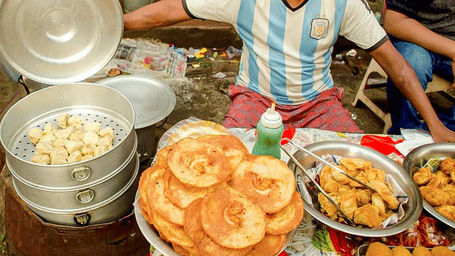
Kolkata’s cuisine goes beyond its famous sweets, reflecting influences from British, Parsi and Mughal cultures. From rich meat dishes to fresh seafood and classic desserts, the city offers a diverse culinary experience.
_2d7271ec.png)
One of Kolkata's most recognisable monuments, the Howrah Bridge spans the Hooghly River to connect Kolkata with the nearby industrial city of Howrah.
Dive into the vibrant cultural heritage of Northeast India with our guide to the diverse folk dances that grace its lands.
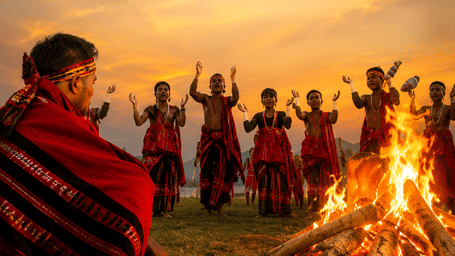
Discover the vibrant culture of Tripura through its colourful festivals. Immerse yourself in the rich traditions and diverse heritage of this northeastern Indian state.
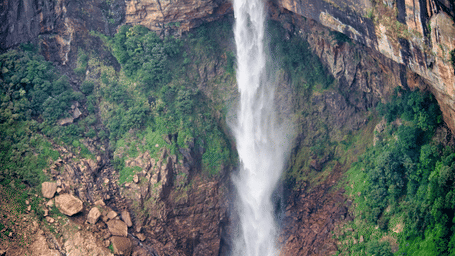
Discover one of Meghalaya’s most striking natural attractions, a dramatic 335-metre plunge waterfall near Sohra (Cherrapunjee). Surrounded by lush cliffs and misty landscapes, the falls are known for their breathtaking views and the poignant local legend of Ka Likai associated with them.
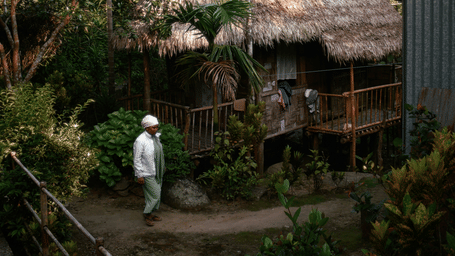
Mawlynnong, known as Asia’s cleanest village, blends lush greenery with strong Khasi traditions, offering a serene glimpse into a community rooted in cleanliness, sustainability, and harmony.
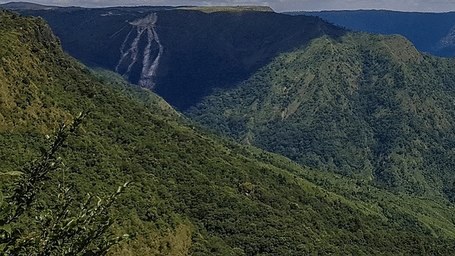
Immerse yourself in the crystal-clear waters of the Blue Lagoon waterfalls in Meghalaya and explore a hidden abode. The Blue Lagoon is the perfect place for a refreshing swim amidst the verdant lush mountains of Meghalaya.
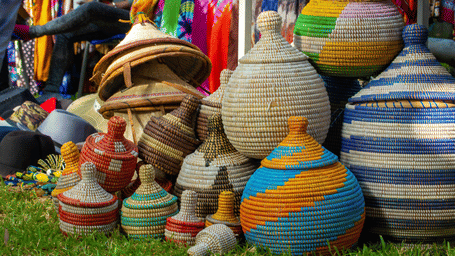
Meghalaya’s crafts reflect its rich tribal heritage, with intricate woodcarvings and finely woven bamboo and cane products. From sculptures and toys to baskets and mats, these handcrafted pieces showcase skilled artistry and are widely found in local markets like Shillong’s vibrant bazaars.

Beyond its misty landscapes, Meghalaya delights with unique local flavours, especially the much-loved Sohphie fruit, an iconic delicacy that holds a special place in the region’s culinary identity.

Celebrate the phenomenal Cherry Blossom Festival in Shillong with your close ones. Visit some of the places that get decorated with the pink blooms!
Tripura, a serene gem of Northeast India, blends rich tribal diversity with deep-rooted history. From ancient references to the Manikya dynasty, its heritage reflects a vibrant cultural legacy shaped over centuries.

The Khasi tribe of Meghalaya follows a matrilineal system where lineage and inheritance pass through women, with the youngest daughter inheriting family property and husbands living with the wife’s family.
This is a perfect 2 day itinerary for Cherrapunjee. Cherrapunjee is known for its unique climate, untouched forests, adventurous trails & its overall natural beauty. A trip to Cherrapunjee is all you need to refresh your senses with a rush of adrenaline & spending time amidst the beauty of nature, as you explore the things to do & places to see.
Khasi cuisine from Meghalaya offers a unique culinary experience rooted in tribal traditions, featuring rice, pork, and a variety of rich, lesser-known regional flavours.

Kolkata in winter offers cool, pleasant weather and a festive charm, with vibrant celebrations like Durga Puja, Kali Puja, Christmas, and New Year drawing visitors from around the world.
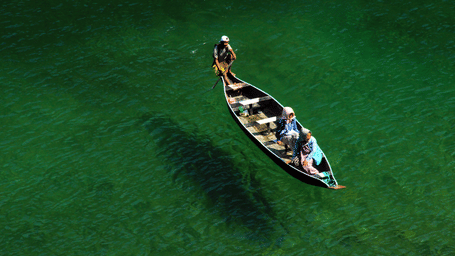
Dawki is a small village nestled in the southern part of Meghalaya. Surrounded by idyllic riverside camps like Shnongpdeng and Darrang, Dawki is a quaint haven amidst the lush green mountains, crystal clear water and a bountiful amount of fresh air. Take a break from the bustling of city life and embark on a therapeutic journey at Dawki, Meghalaya.
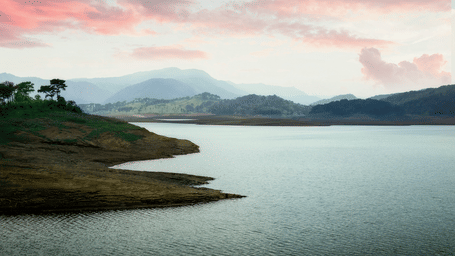
Surrounded by lush green hills near Shillong, this vast man-made reservoir, popularly known as Barapani, offers serene views and remains one of Meghalaya’s most scenic attractions.
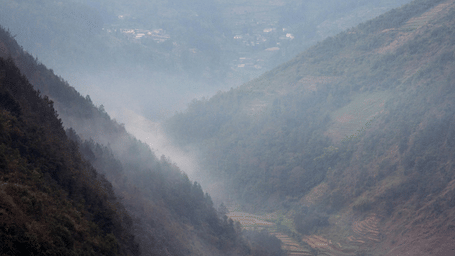
Cherrapunjee is a gorgeous hill town nestled amidst the pine-forested mountains of North East India. This holiday retreat, known for offering the highest level of rainfall in the world, is also one of the highest places in Meghalaya. In Cherrapunjee, the most fascinating charms are its lofty mountains, the unique living root bridges, the caves - some of which are the largest in Asia, and a collection of scintillating viewpoints.

Set amidst lush green meadows and rolling hills, this historic golf course in Shillong is one of the oldest and largest in the world, renowned for its scenic beauty and timeless charm.
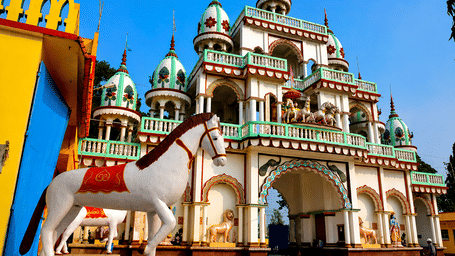
Explore Agartala’s rich heritage, scenic landscapes, and vibrant culture with a perfect 2-day itinerary, complemented by a comfortable stay in the heart of the city.

Experience the grandeur of Indian weddings, where vibrant traditions, diverse cultures, and heartfelt celebrations come together over several days, offering unforgettable hospitality and a rich insight into India's heritage.
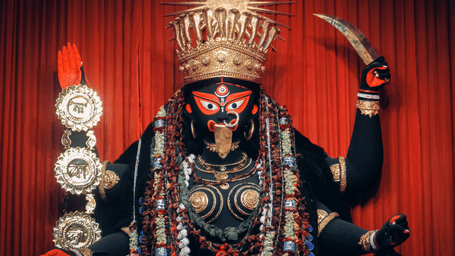
Durga Puja, the grand festival that celebrates the victory of Goddess Durga over the demon Mahishasura, is an annual extravaganza that sweeps through the streets of Kolkata, India.
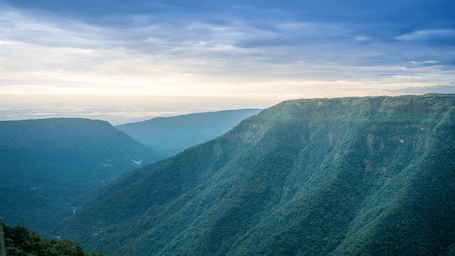
Discover Thangkharang Park in Cherrapunjee, offering misty landscapes, valley views, Kynrem Falls, lush greenery, and glimpses of the Bangladeshi plains.
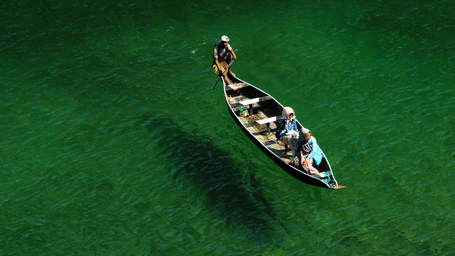
Nestled in the Khasi Hills, Mawsynram is the world’s rainiest place, famed for its record-breaking rainfall, lush landscapes, unique local traditions, rich wildlife, and scenic beauty that attracts nature lovers and travellers alike.
The Don Bosco Centre for Indigenous Cultures in Shillong showcases the rich heritage, traditions, and history of North-East India through cultural exhibits, research, and educational initiatives.

Perched atop Laitumkhrah in Shillong, the Cathedral of Mary Help of Christians is a striking Gothic landmark known for its powder-blue façade, rich history, and earthquake-resistant architecture.
_14029754.jpg)
Udaipur, the City of Lakes in Tripura, is renowned for its serene lakes, revered temples, and spiritual charm, attracting pilgrims and travellers throughout the year.

Kolkata, the City of Joy, is a vibrant cultural hub known for its rich history, colonial heritage, historic transport systems, and enduring charm that captivates every visitor.

Experience refined luxury at Agartala’s first 5-star hotel, offering elegant accommodation, modern amenities, exceptional dining, and seamless access to the city’s key attractions and transport hubs.
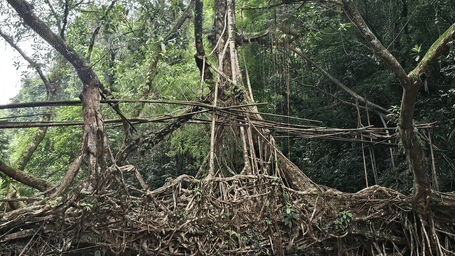
Sohra, formerly known as Cherrapunjee, is a historic hill town in Meghalaya renowned for its abundant rainfall, breathtaking waterfalls, living root bridges, limestone caves, and rich Khasi heritage.

Explore Shillong's charm through its best cafes, where aromatic brews meet a cosy ambience. Indulge in delightful treats amidst the picturesque landscapes of this vibrant hill station.
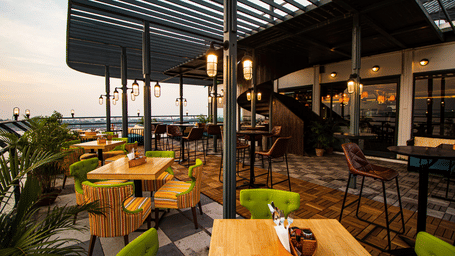
Room Service by Polo Floatel brings a fine-dining experience to your doorstep with a thoughtfully curated multi-cuisine menu, signature delicacies, desserts, cocktails, and eco-friendly packaging.
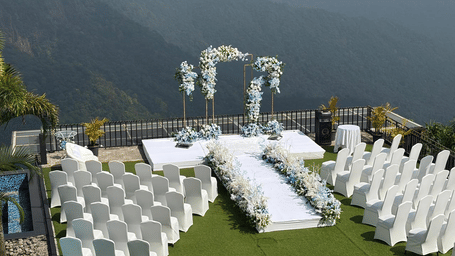
Celebrate your dream wedding at Polo Resort in Cherrapunjee, where scenic landscapes, elegant venues, luxurious stays, and bespoke services create unforgettable destination weddings.
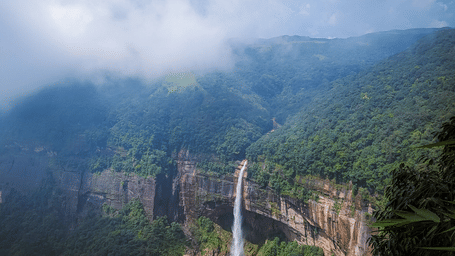
Cherrapunjee is dubbed as the wettest place on earth, simultaneously blessed with splendid views. Soak in nature and the greenery around you and escape into tranquillity.
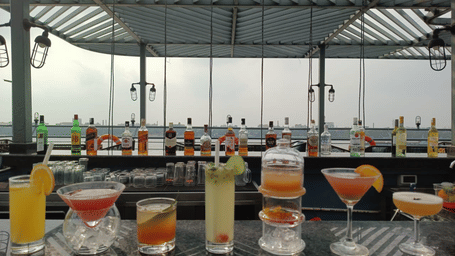
Enjoy bar-style cocktails at home with Polo Floatel’s refreshing pre-mixers. Simply add your preferred spirit, stir, and sip your way to a perfectly crafted drink.

Celebrate your special day at Polo Hotel, Agartala, where elegant venues, luxurious accommodation, and bespoke wedding services come together to create unforgettable destination weddings.
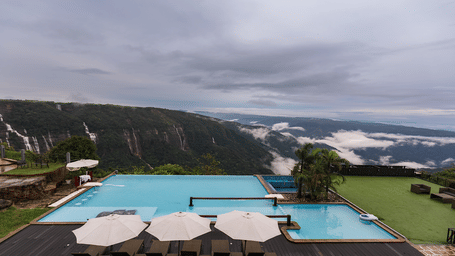
Escape to the misty valleys of Cherrapunjee at Polo Resort, where luxurious stays, breathtaking views, delightful dining, and unforgettable adventures come together amidst the beauty of Sohra.

Embark on an unforgettable North East road trip through Cherrapunjee, Shillong, and Agartala, where scenic landscapes, iconic attractions, comfortable stays, and cultural experiences come together for the perfect getaway.

Discover the natural beauty of Agartala through its serene parks, lush gardens, and scenic hills, and complement your journey with a comfortable stay at Polo Hotel, Agartala.
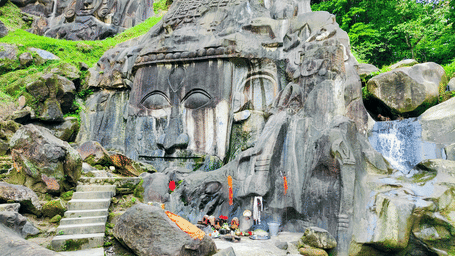
Unakoti is a renowned heritage site known for its ancient rock-cut sculptures and scenic surroundings. According to local legend, Lord Shiva turned the sleeping gods and goddesses into stone, giving the site its name.
_b20e4510.jpeg)
Cherrapunjee, also known as Sohra, is one of the wettest places on Earth, renowned for its lush landscapes and abundant rainfall. Surrounded by breathtaking greenery, the region is home to stunning waterfalls that make it a paradise for nature lovers.
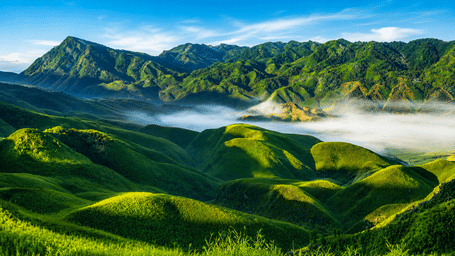
Plan your dream getaway with our detailed Meghalaya travel itinerary, covering breathtaking waterfalls, living root bridges, crystal-clear rivers, and charming hill towns. Discover the best routes, insider tips, and must-visit attractions

Experience the magic of Christmas in Meghalaya with festive celebrations, dazzling lights, local traditions, and unforgettable holiday charm. Read the blog and plan a joyful Christmas getaway in the Abode of Clouds!
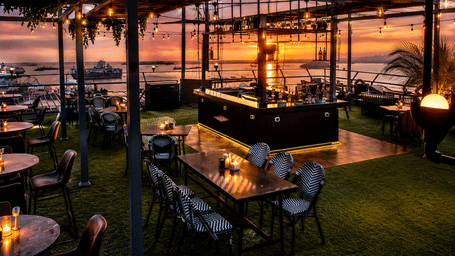
Discover how thoughtfully curated luxury amenities elevate every stay, creating exceptional comfort, convenience, and memorable guest experiences that redefine modern hospitality.

Celebrate the New Year in Kolkata on a floating hotel! Enjoy river views, great food, live music, and unforgettable memories at Polo Floatel. Book your spot now.

Some cities ask you to hurry. Shillong asks you to slow down. Up here at five thousand feet, the clouds don't always stay in the sky — some mornings they wander straight into your room, curl around the pines, and dissolve over the water before you've finished your first cup of tea. The British called it the Scotland of the East, and once the fog lifts to reveal rolling green hills and a lake the colour of slate, you understand why the name stuck.
You don't need a week to fall for the capital of Meghalaya. You need two unhurried days, comfortable shoes, and a base close enough to the centre that you can walk out and into the city's rhythm. Here is how we'd spend a weekend, mapped by people who call these hills home.
_777678b2.jpg)
Agartala is the kind of city that doesn't shout for your attention — and is all the more rewarding for it. The capital of Tripura moves with an unhurried grace, where everyday life and the echoes of royalty share the same streets. The air carries the scent of agar trees and ripening queen pineapples past clusters of brightly painted homes, and at the end of an ordinary lane you'll suddenly meet the arches of a palace that once wore a crown. For the traveller willing to look a little off the well-worn map, Tripura's capital is a soft, soulful surprise.
Here's how to spend a first visit — two days of palaces, temples, Tripuri flavours and easy wandering.
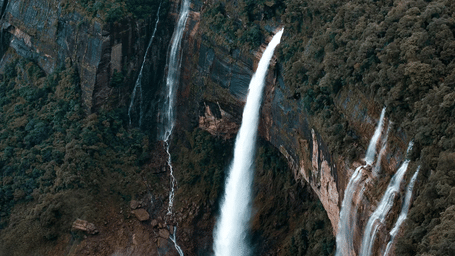
There are places where the rain is an inconvenience. Cherrapunji is where the rain is the whole point. Known by its older Khasi name, Sohra, this clifftop town in Meghalaya is one of the wettest places on Earth, and all that water has to go somewhere — so it leaps off the plateau in great silver ribbons, carves caves into the limestone, and feeds a forest so generous that the Khasi people grow their bridges rather than build them. If you love waterfalls, you've just found your spiritual home.
The good news for the time-pressed traveller: the headline acts are close together, and the best of them are visible from a comfortable base. Here's how to chase the falls of Cherrapunji without chasing your tail.
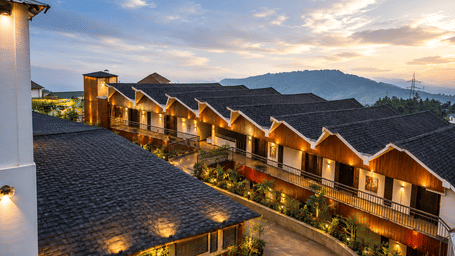
Some destinations you visit. Nagaland you meet. Tucked into the far eastern hills where India leans toward Myanmar, this is a land of many Naga communities, each with its own language, dress, music and traditions, carried with deep pride and shared with remarkable warmth. And right at its heart sits Kohima, the state capital — a town stacked along a mountain spine, wrapped in mist and pine, with a story that runs from one of the most decisive battles of the Second World War to one of the most vibrant cultural celebrations in the country.
We're putting the finishing touches on Polo Hotel, Kohima, a cliffside retreat opening soon on a mountaintop with sweeping views of rolling hills and misty valleys. Until then, let us set the scene — because Kohima is the kind of place worth planning a trip around well in advance.

Every great city has a view it saves for the people who look closely. In Kolkata, that view is from the water. Out on the Hooghly — the arm of the Ganges that gives the City of Joy its pulse — the light does something gentle in the evening: it gilds the river, silhouettes the great iron lattice of the Howrah Bridge, and carries the soft echo of temple aarti across the rooftops. Most visitors only glimpse it from the shore. At Polo Floatel, you wake up inside it.
Moored on Strand Road, Polo Floatel is South Asia's first floating hotel — a genuine piece of the city's story rather than a gimmick — and it makes the most romantic possible base for discovering Kolkata. Here's why it belongs on your list, and how to spend a couple of days around it.
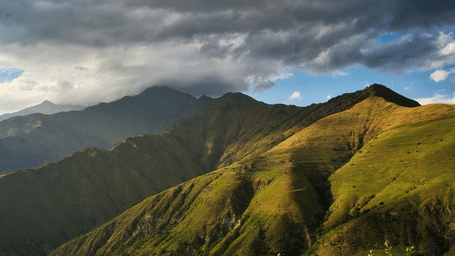
Some hotels are built and then introduced to a place. Ours happened the other way around. Polo didn't arrive in Northeast India — it grew from it. Our story didn't begin in a boardroom; it began in mist and monsoon, in music drifting out of a hill town, in the warmth of hosts who knew the land as well as they knew their own breath.
That origin still shapes everything we do. We've never thought of ourselves as a collection of buildings scattered across a map. We think of ourselves as part of the region's fabric — and on a good day, part of its memory.
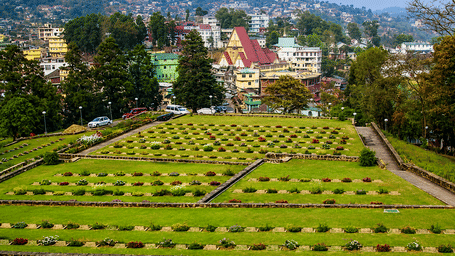
Some places earn their quiet. The Kohima War Cemetery is one of them — a terraced garden of remembrance that steps gently down Garrison Hill, its rows of stone markers immaculately kept among flowering trees. It is one of the most beautifully maintained memorials in the country, and one of the most moving. It also marks the site of a battle that, improbably, helped change the course of the Second World War. A visit here is a still, reflective hour, and an essential one.
Some landscapes look as though they were imagined rather than made. The Dzukou Valley is one of them. Rolling out across the border of Nagaland and Manipur, just a few hours from Kohima, it's a sea of soft green hills cut by a winding stream, so gentle and surreal it barely seems real. In summer it flushes with wildflowers — including the rare Dzukou lily found nowhere else — which is why it's earned its nickname, the Valley of Flowers of the East. For anyone who loves to walk, it's the trek that defines a trip to Nagaland.
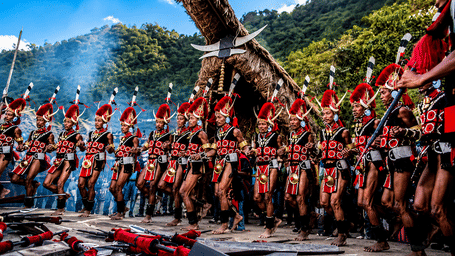
If there is one week that captures the spirit of Nagaland, it's the first week of December. That's when the Hornbill Festival fills the hills outside Kohima with song, dance, craft and colour — a ten-day celebration that brings the state's many Naga communities together in one extraordinary gathering. Often called the "Festival of Festivals", it is, for a first-time visitor, among the warmest and richest introductions to a culture you could hope for. Here's how to approach it.
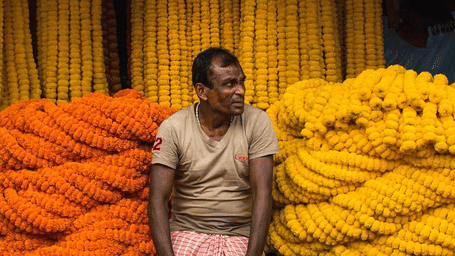
Some experiences ask you to set an early alarm, and reward you a hundred times over. The Mullick Ghat Flower Market is one of them. Tucked beneath the great iron span of the Howrah Bridge, on the banks of the Hooghly, it's one of the largest flower markets in Asia — and at dawn it explodes into a riot of marigold orange, rose pink and tuberose white that has to be seen, and smelled, to be believed. For photographers and early risers, it's quite simply the most colourful sunrise in Kolkata.
If Kolkata has a single defining image, it's this one: a great white-marble dome rising above green lawns and a long reflecting pool, glowing almost gold in the late-afternoon light. The Victoria Memorial is the city's grandest monument and its most photographed landmark — and the wide green Maidan that surrounds it is the city's beating, breathing heart. Together they make the essential first stop on any Kolkata trip. Here's how to do them justice.
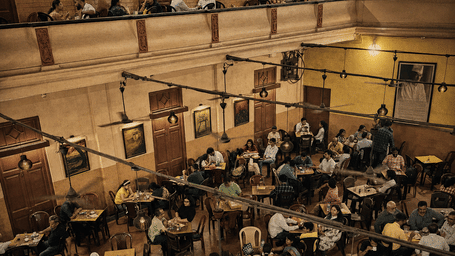
Kolkata isn't a city you tick off. It's a city you fall into conversation with. The trams still rattle past colonial facades, the coffee houses still hum with poets and students arguing over the same chipped cups, and the river still threads its slow silver through it all. Two unhurried days won't show you everything — nowhere near — but they'll let you feel the rhythm of the City of Joy. Here's how we'd spend them.
Calcutta keeps its best view for the evening, and for the people who know where to find it. Out on the Hooghly, as the sun drops and the city softens, there is one spot that frames the whole scene better than any other: Bridge Bistro and Bar, perched on the deck of the city's floating hotel. The old Howrah Bridge rises on one side, the new Howrah Bridge stands on the other, and the great river runs silver between them. It is, quite simply, one of the most iconic places in the city to raise a glass.

Agartala rewards the unhurried traveller — the one happy to wander palace gardens, linger over a plate of Cha Borok, and drift out to a lake palace for the afternoon. To travel that way, you want a base that feels like a retreat at the end of the day: central enough to reach the sights with ease, comfortable enough to make coming back the best part of the evening. Here's how to think about where to stay in Agartala, and what the city's 5-star option offers.
Every region has a flavour it's proud of, and in Tripura that flavour is unmistakably the Queen pineapple. Small, golden and intensely fragrant, it's the state's official fruit and one of its genuine sources of pride — sweet enough to eat like candy, aromatic enough to perfume a whole kitchen. If you visit Agartala in season and don't taste one, you've rather missed the point. Here's why this little fruit matters so much.
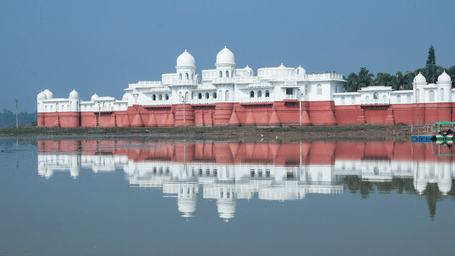
Everyone knows the lake palaces of Rajasthan. Far fewer know that the east has one of its own — and that it might be the most romantic half-day trip you can take from Agartala. Neermahal, the "Water Palace", rises straight out of Rudrasagar Lake, a vision of red and white domes mirrored in still water and reached by a short boat ride that turns an outing into an occasion. It's quieter, greener and far less crowded than its famous western cousins, and all the more magical for it.
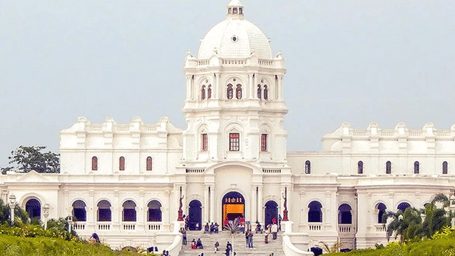
Every city has a building that holds its story, and in Agartala that building gleams white above ornamental gardens and still reflecting pools. Ujjayanta Palace is the grandest landmark in Tripura's capital — once the seat of a kingdom, now a museum of the Northeast — and a visit here is the single best way to understand the city you're standing in. Come in the morning, when the light is kind to its domes, and give it time. There's more here than a photo stop.
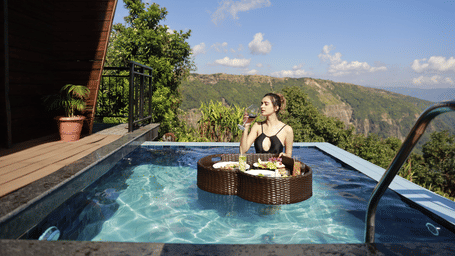
Some mornings deserve to be slowed right down. Picture this one: you slip into an infinity pool that seems to spill straight over the edge of the world, the Seven Sisters Falls threading silver down the cliffs across the gorge, and a wooden tray drifts toward you bearing fresh fruit, warm bread, eggs done your way and a pot of something hot. The mist rolls in, then parts. Nobody is in a hurry. This is the floating breakfast at Polo Resort — and it's the morning our guests photograph most, and forget least.
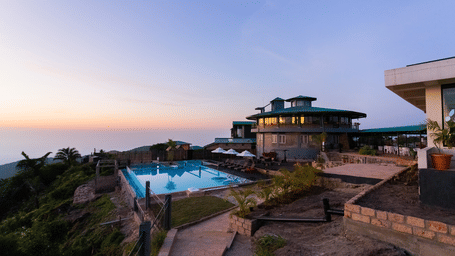
Here's something that surprises most first-time visitors. Spend a little time in Cherrapunji and you'll notice the people who live here rarely call it that. To them, home is Sohra — and that small difference carries a whole story about names, history, and who gets to choose them.
It's the title that precedes the town. Say "Cherrapunji" almost anywhere in India and someone will tell you it's the wettest place on earth. The reputation is well earned — and far more interesting than a single statistic. The rain here isn't a nuisance to be waited out. It's the architect of everything you come to see: the waterfalls, the caves, the impossibly green hills, and the famous bridges grown from tree roots. Understand the rain, and you understand Cherrapunji.
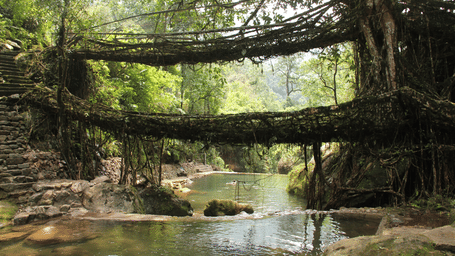
There are bridges, and then there are the living root bridges of Meghalaya — structures so quietly astonishing that they make every steel-and-concrete span feel a little crude by comparison. These are not built. They are grown, coaxed into being across generations by the Khasi people, who guide the aerial roots of rubber fig trees over rivers and ravines and train them, year after patient year, until they harden into bridges strong enough to carry a whole village. Some have been doing their job for well over a century. And unlike everything else we build, they get stronger with age.
Most visitors do Shillong Peak in the middle of the day, snap a photo, and move on. They're missing the best of it. At nearly two thousand metres, the highest point around Shillong saves its real magic for the last hour of light — when the sun drops low, the tin roofs catch fire, and the hills layer into the distance in shades of blue you'll struggle to name. Go at golden hour, and you'll understand why the city wears this view like a crown.

Some waterfalls make you work for them. Elephant Falls is not one of those — and that's exactly why it's such a perfect half-day outing from Shillong. Just a short drive from the city centre, this three-tiered cascade tumbles through fern-draped rock, reachable by a tidy flight of steps that takes you from car park to spray in minutes. It's the ideal introduction to Meghalaya's love affair with falling water, no trek required.

Most places have a "best time to visit." We've never quite believed in the idea. In this part of the world, the land doesn't have an off-season — it has moods. And because our experiences are shaped by the natural rhythm of the place, the season you choose doesn't just change the weather. It changes the entire story you take home.
Come twice, six months apart, and you'll swear you visited two different regions. That's not a flaw. That's the whole point.

There's a kind of traveller we've come to know well. They don't collect destinations like stamps. They aren't chasing the loudest, most photographed version of a place. They want to feel a city's pulse, taste a recipe that's been handed down for generations, and come home with something more lasting than a room key. They seek stories, not just stays.
If that sounds like you, you already understand the Polo way of travel. It isn't about doing more. It's about noticing more.

Ask ten people what luxury means and you'll get ten answers — a thread count, a chandelier, a name on a door. We've spent a long time in these hills arriving at our own. For us, luxury isn't about how much a place announces itself. It's about how a place makes you feel, and how long that feeling lasts after you've gone.
The luxury we chase is quiet, thoughtful and real. Never showy. Never staged. It's the kind you almost don't notice in the moment, and can't quite forget afterward.
Most people first hear of Kisama as the home of the Hornbill Festival — and it is. But the Naga Heritage Village at Kisama is well worth a visit any day of the year, festival or not. Set in the hills a short drive from Kohima, it's a living open-air showcase of Nagaland's cultures, built so that the state's many Naga communities each have a place to keep and share their traditions. Quiet outside festival week, it offers something the crowds rarely get: time and space to take it all in.

Shillong is a city best explored on foot and on a whim — a street musician here, a bakery there, a sudden view of the hills the moment the clouds part. Which is exactly why where you stay matters more here than in most places. Pick a base on the far edge of town and you'll spend your trip in the back of a taxi. Pick one in the thick of it, and the city becomes something you can step into the moment the mood strikes.
Here's how to think about where to stay in Shillong, and what makes a base near Police Bazaar the smart choice.
Every city keeps a quiet place at its centre, if you know when to look. In Shillong, it's Ward's Lake — a horseshoe of still water ringed by flowering trees and willows, with a little wooden bridge arched across the middle that seems built for lingering. By afternoon it hums with paddle boats and schoolchildren and couples sharing an ice cream. But at first light, it belongs to almost no one. That's when you should go.
_6e0f7f79.jpg)
Live music in Shillong every Friday, Saturday and Sunday at Tring Tring, Polo Towers Shillong. Line-ups, Fresh Fridays open stage and how to visit.

Grow with a homegrown hospitality group creating distinctive stays across the Northeast and beyond.